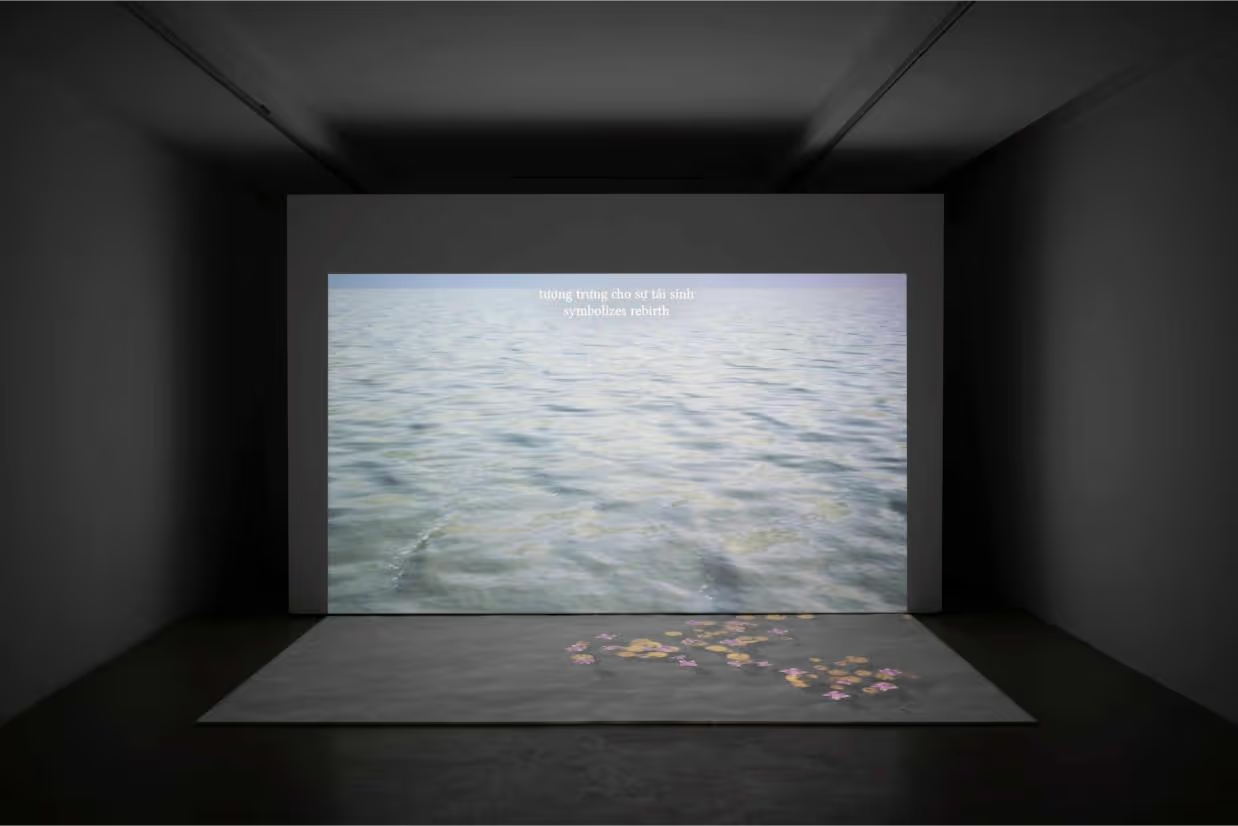
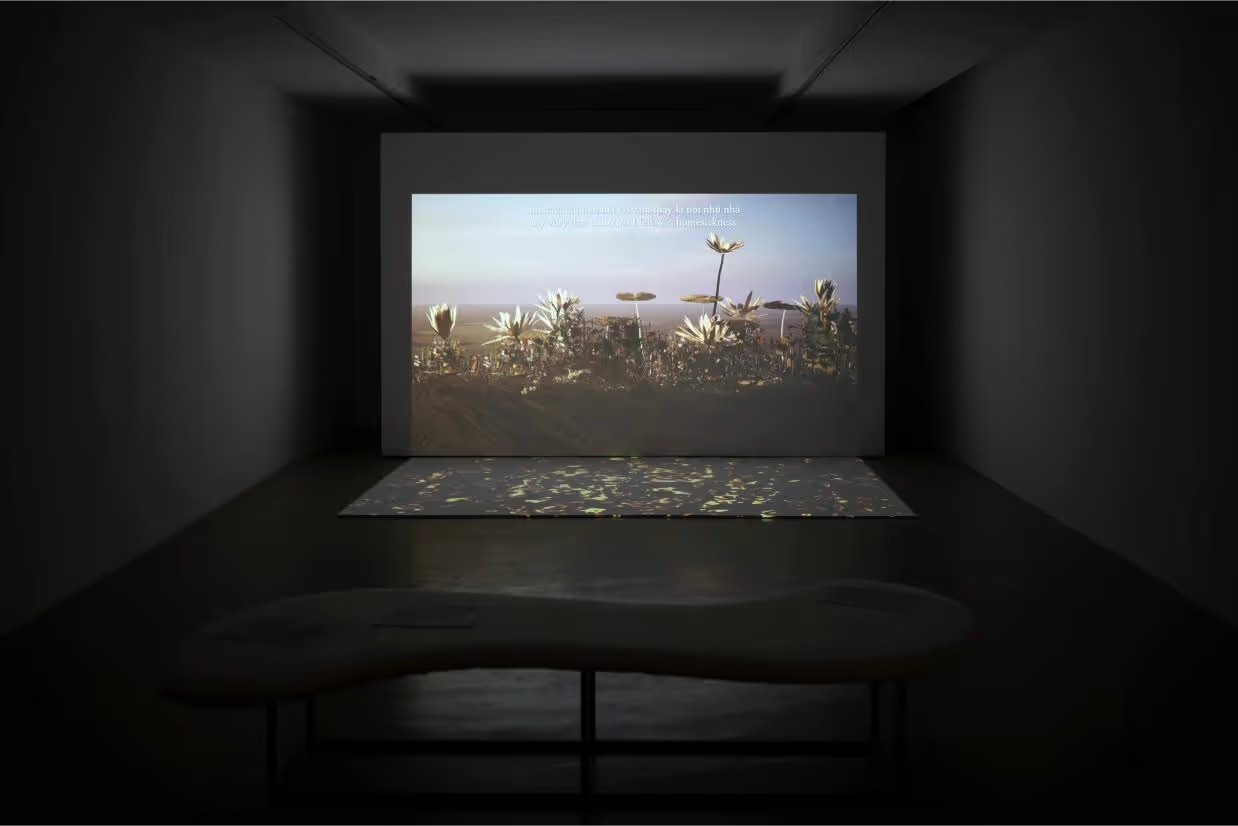
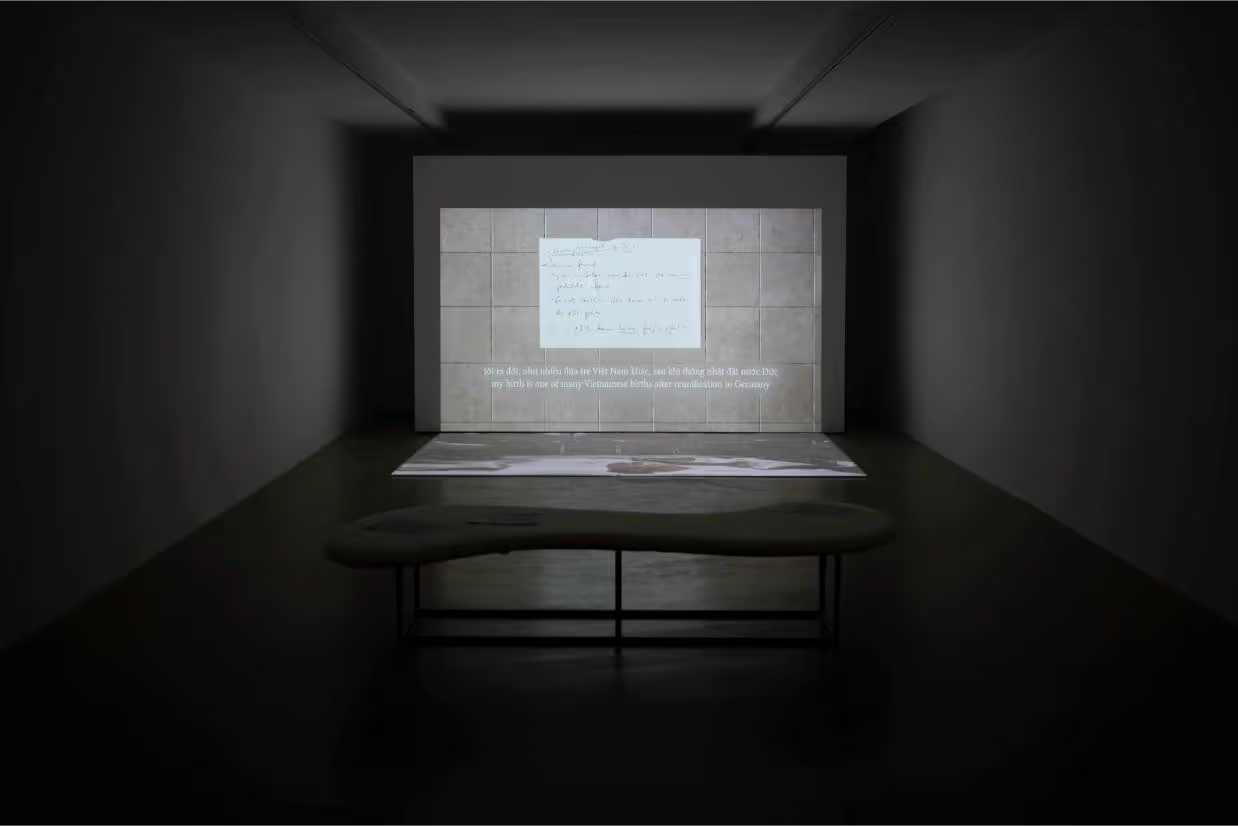
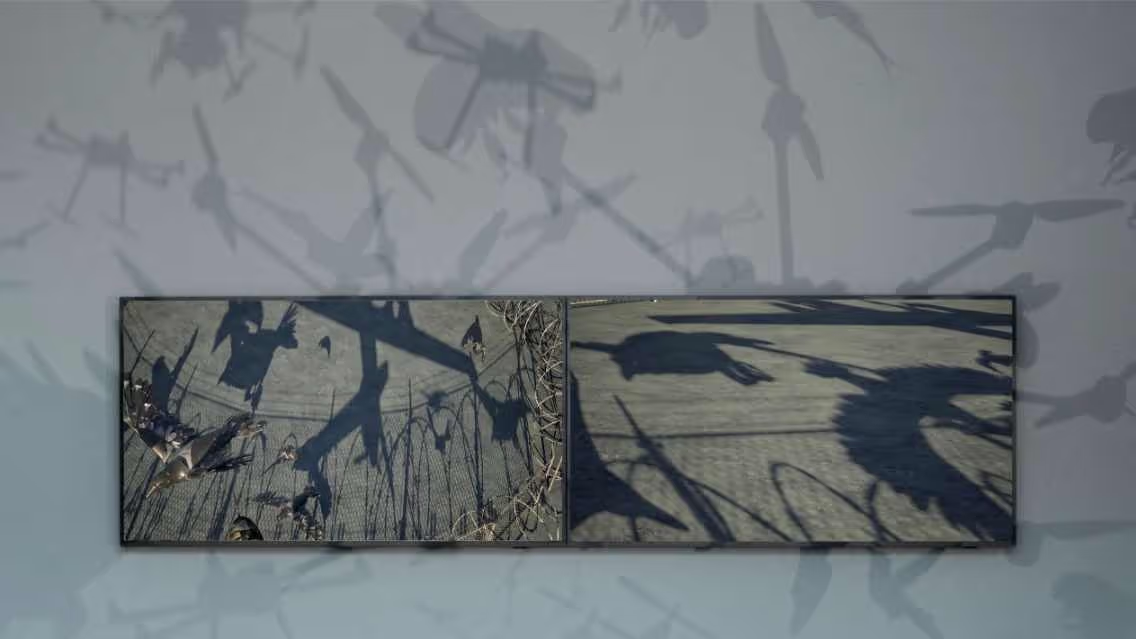
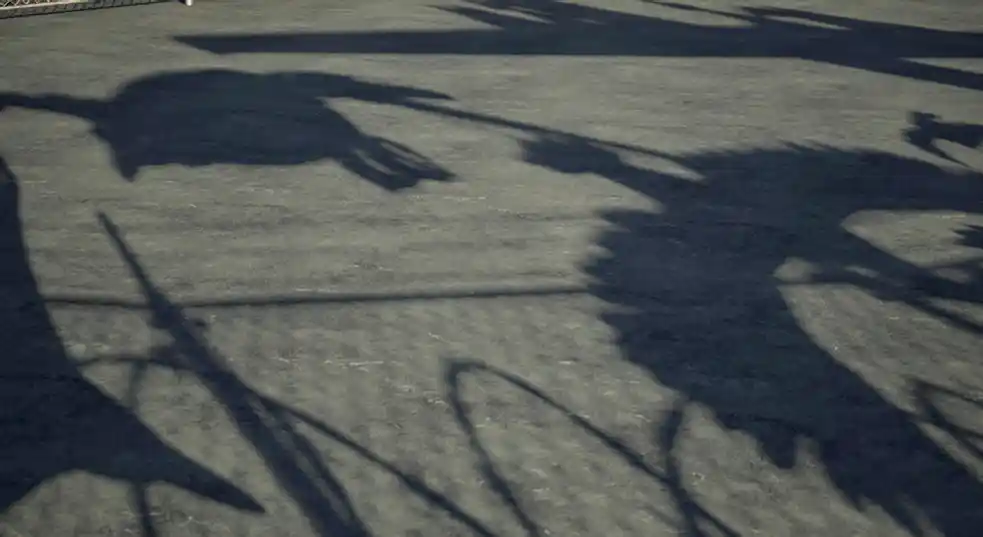
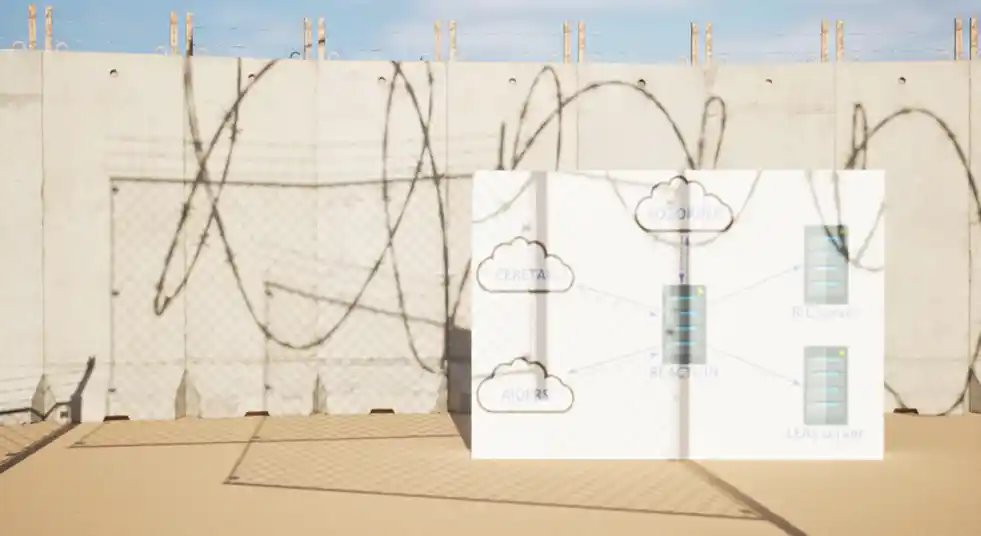
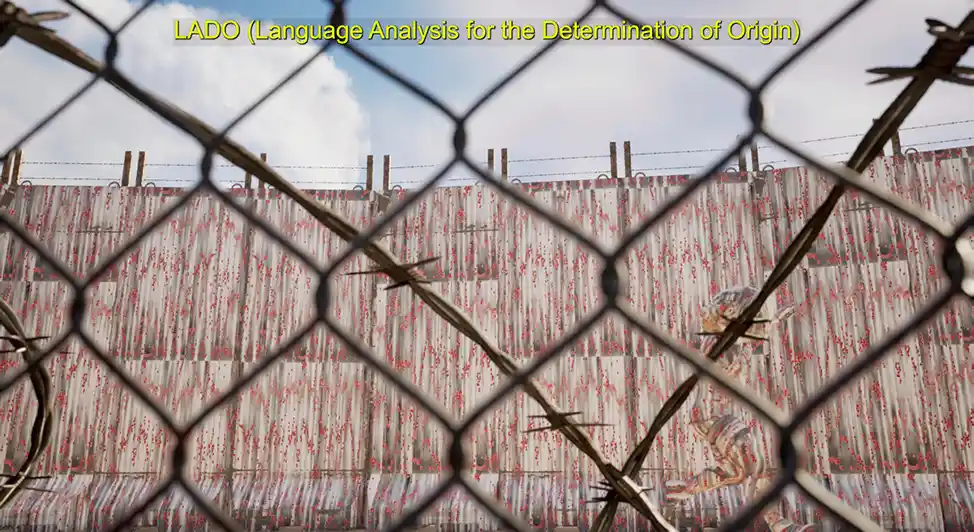
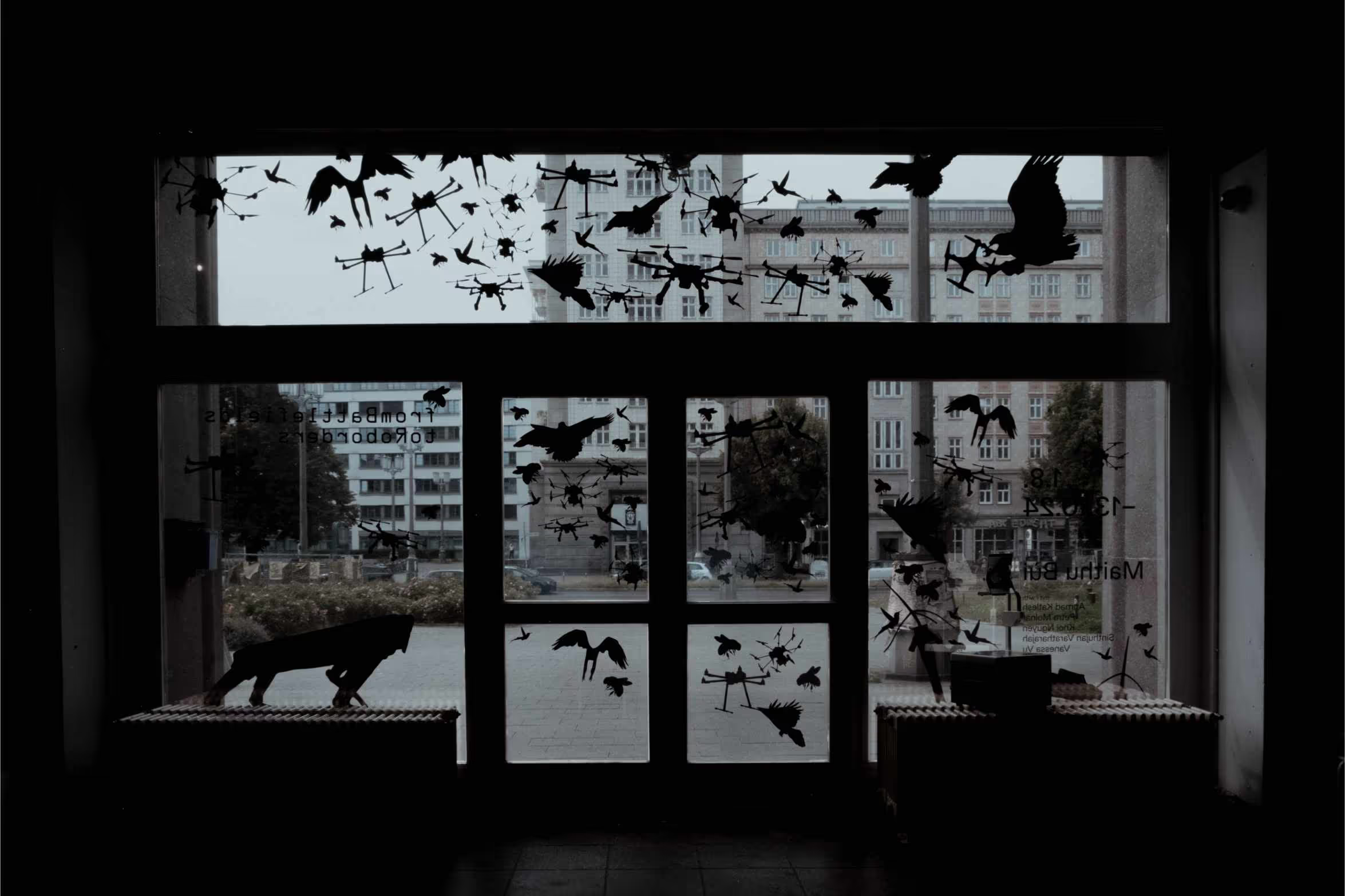
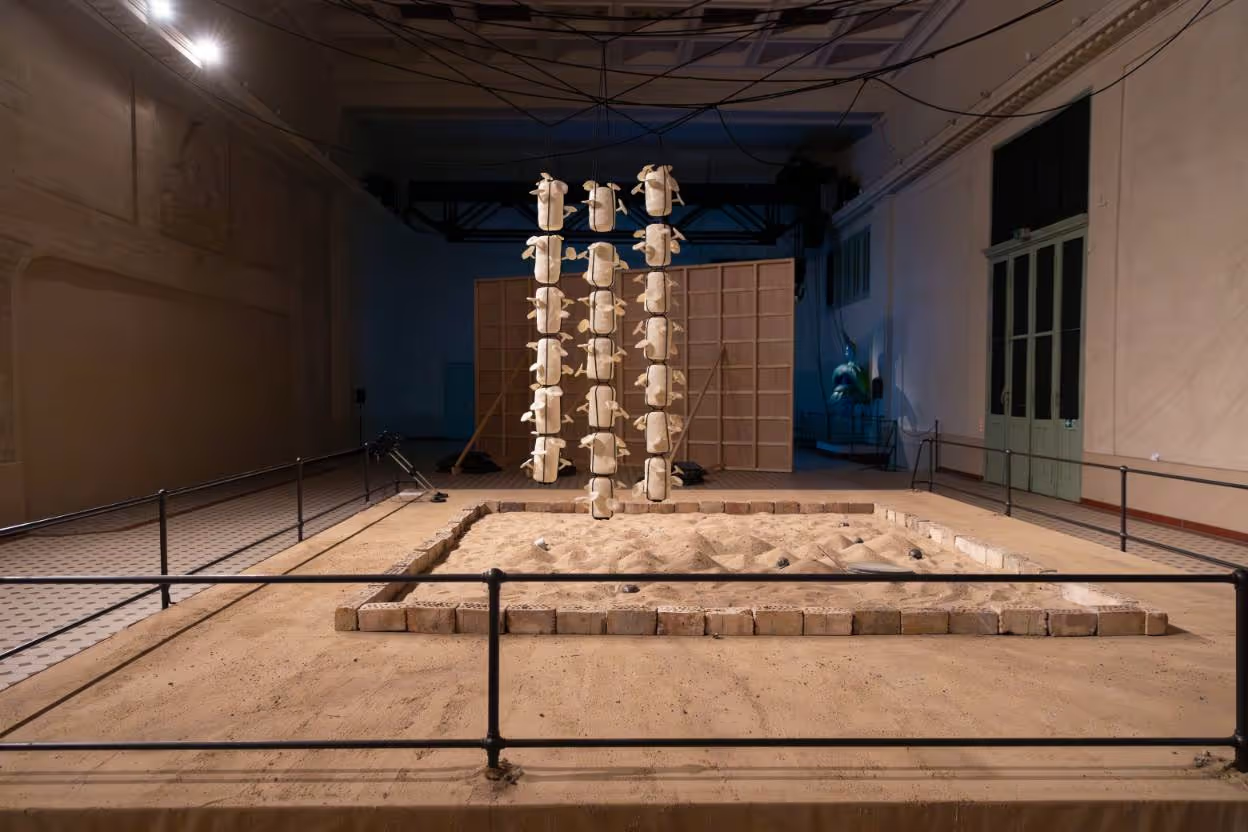
The Walls, The Floors, 2025
Cardboard, print, laser cut, paint, found metal objects, metal detector, 1-channel video, sound, color, robotic vacuum cleaner. Commissioned by Museum der bildenden Künste Leipzig. Photo: Julian Blum
Paint Test, 2025
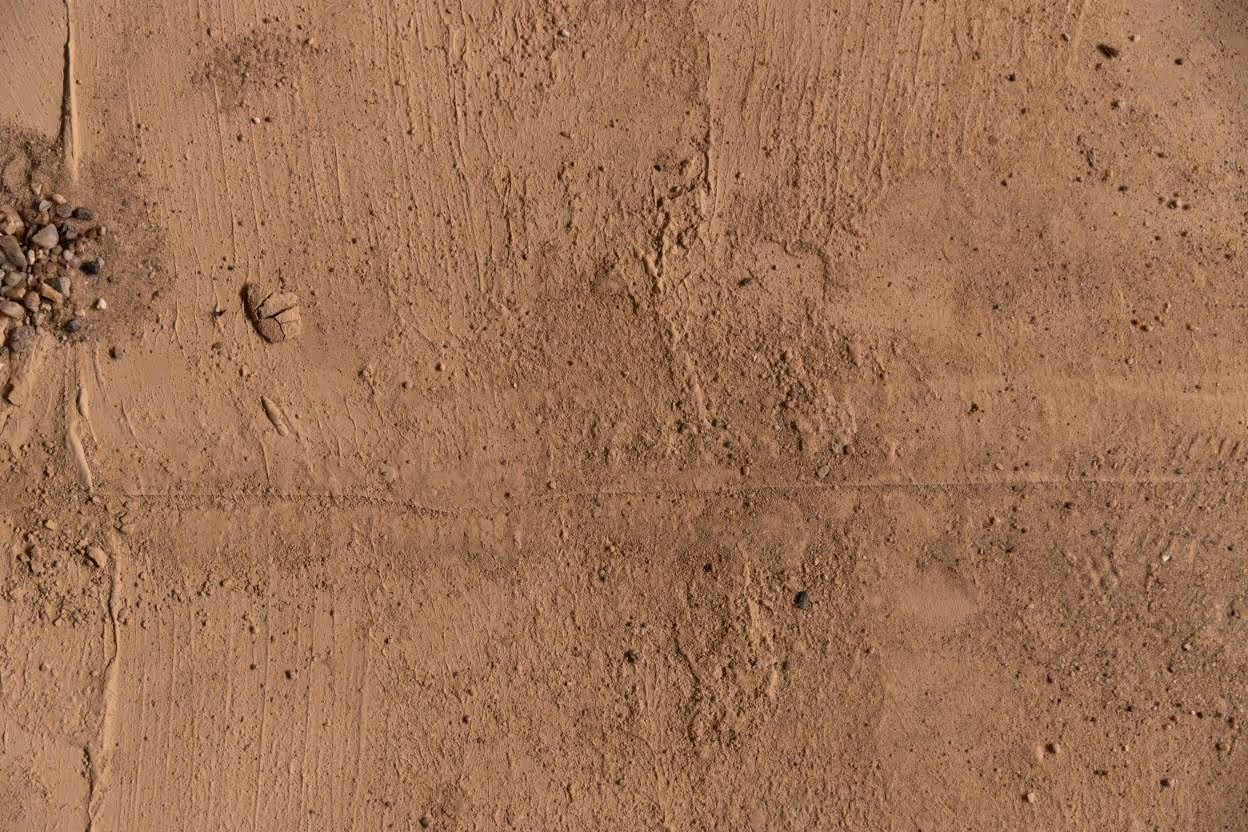
Paint, wall, dimensions variable paint, dimensions variable, commissioned by Museum der bildenden Künste Leipzig. Photo: Julian Blum
Munich, 201X: A painting company reported how an open-plan office called in disbelief the day after the renovation. As the fresh paint dried overnight, the black of a hugeright-wing extremist symbol emerged from the wall. // Bitterfeld-Wolfen, 2017: A janitor was frustrated that during renovation work, the walls often had to be repainted several times – due to right-wing extremist symbols. A man in the same building proudly shared, that he had been in prison–not because he had killed a Vietnamese person, but because he had a right-wing synodal on his wall.
Paint tests, 1904 to 2031: The fields on the walls symbolize the period from 1904 to 2031. Each area marks one year. The black ones represent the beginnings of wars, massacres, and (disputed) genocides. If all armed conflicts were recorded, the wall would have to be completely black.
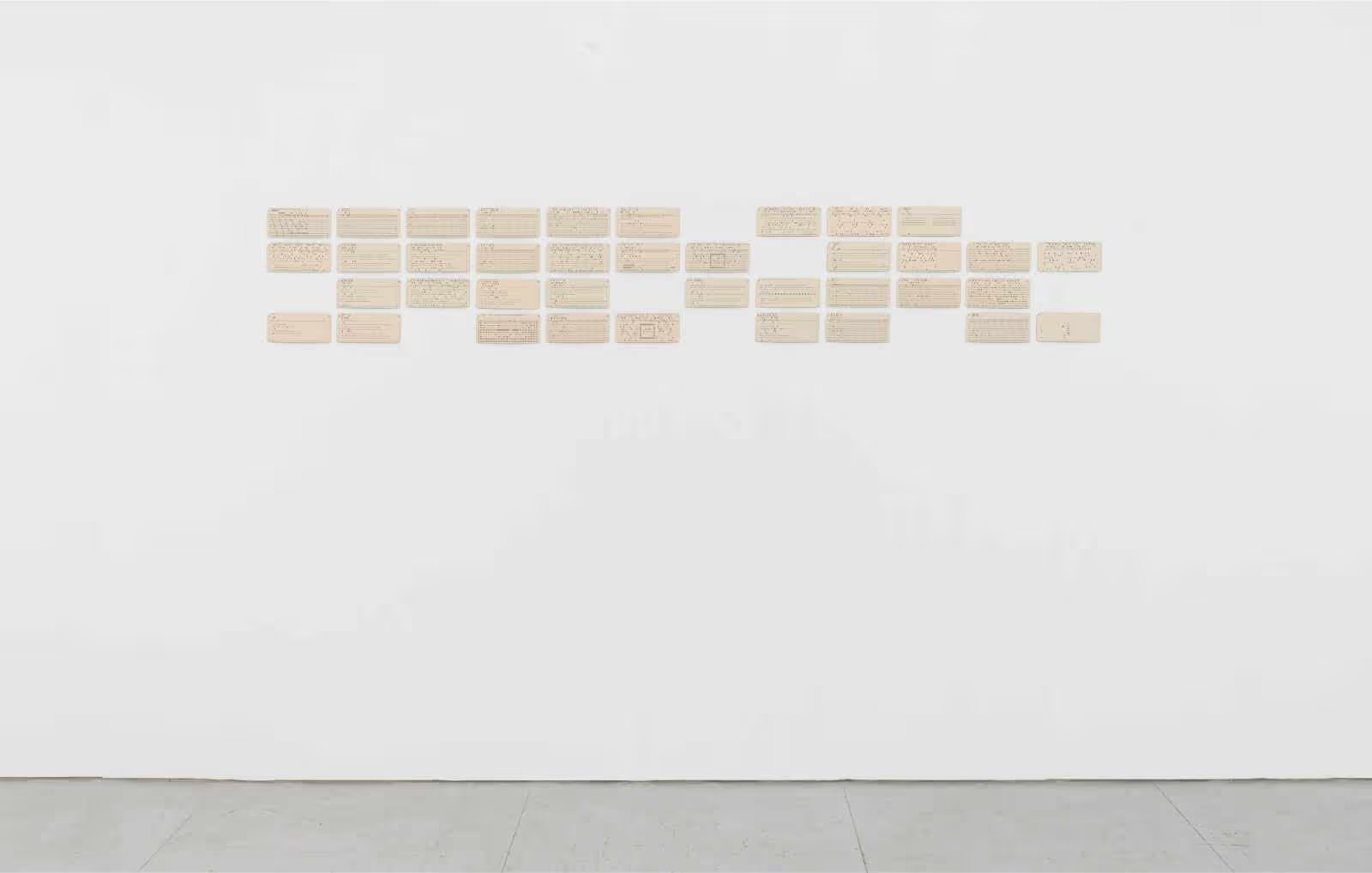
Punched Cards, 2025 – ongoing
Cardboard, print, laser cut, commissioned by Museum der bildenden Künste Leipzig.
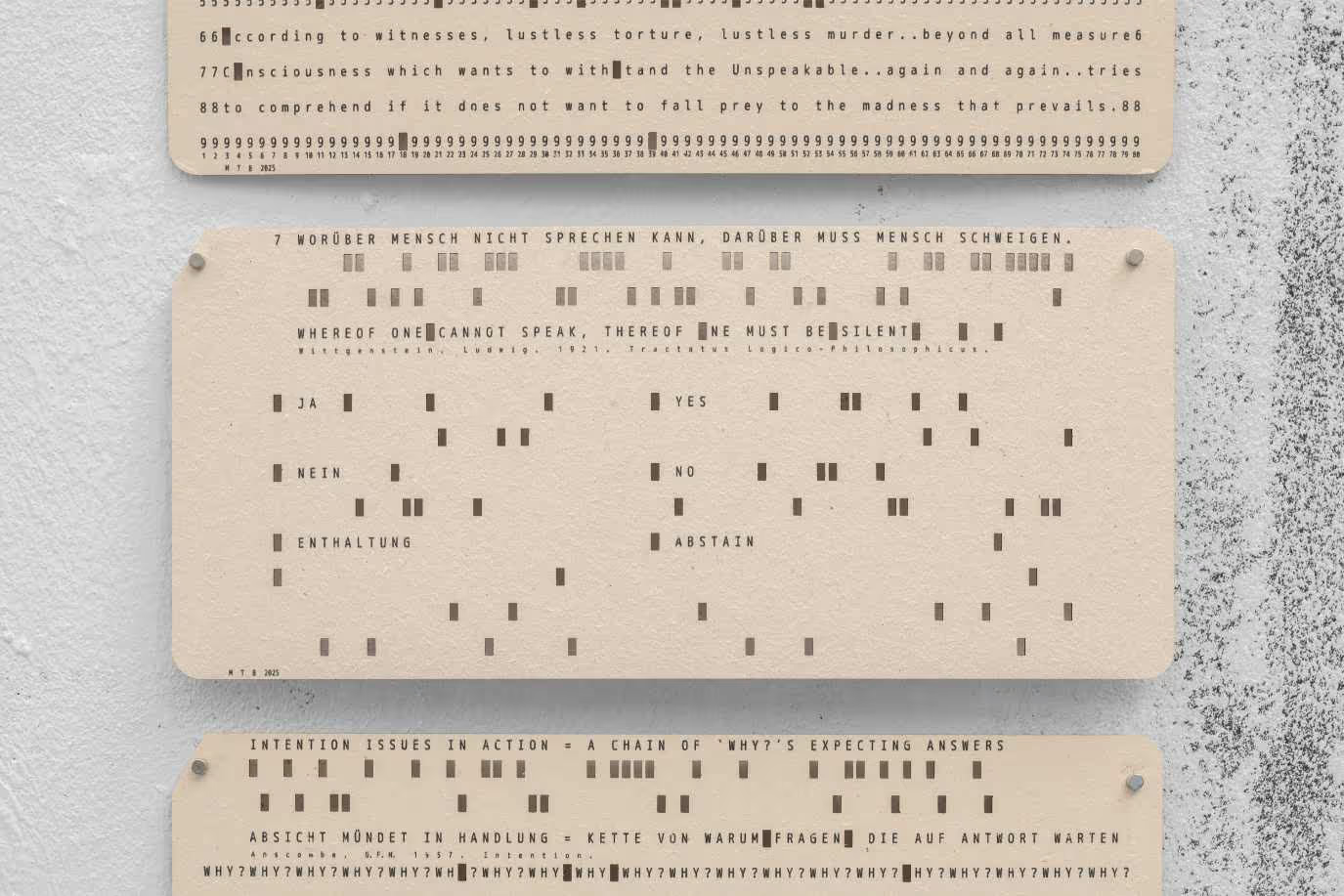
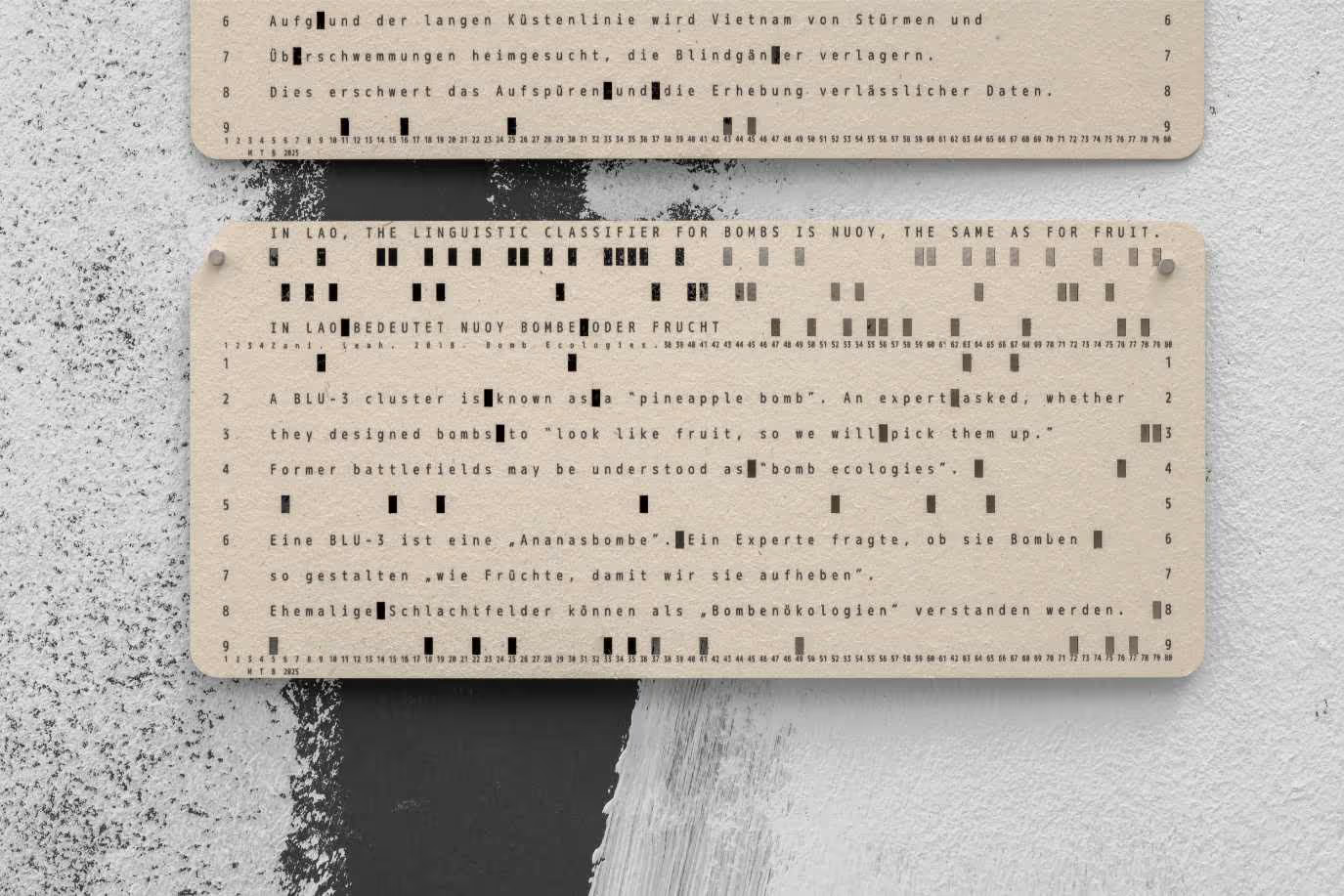
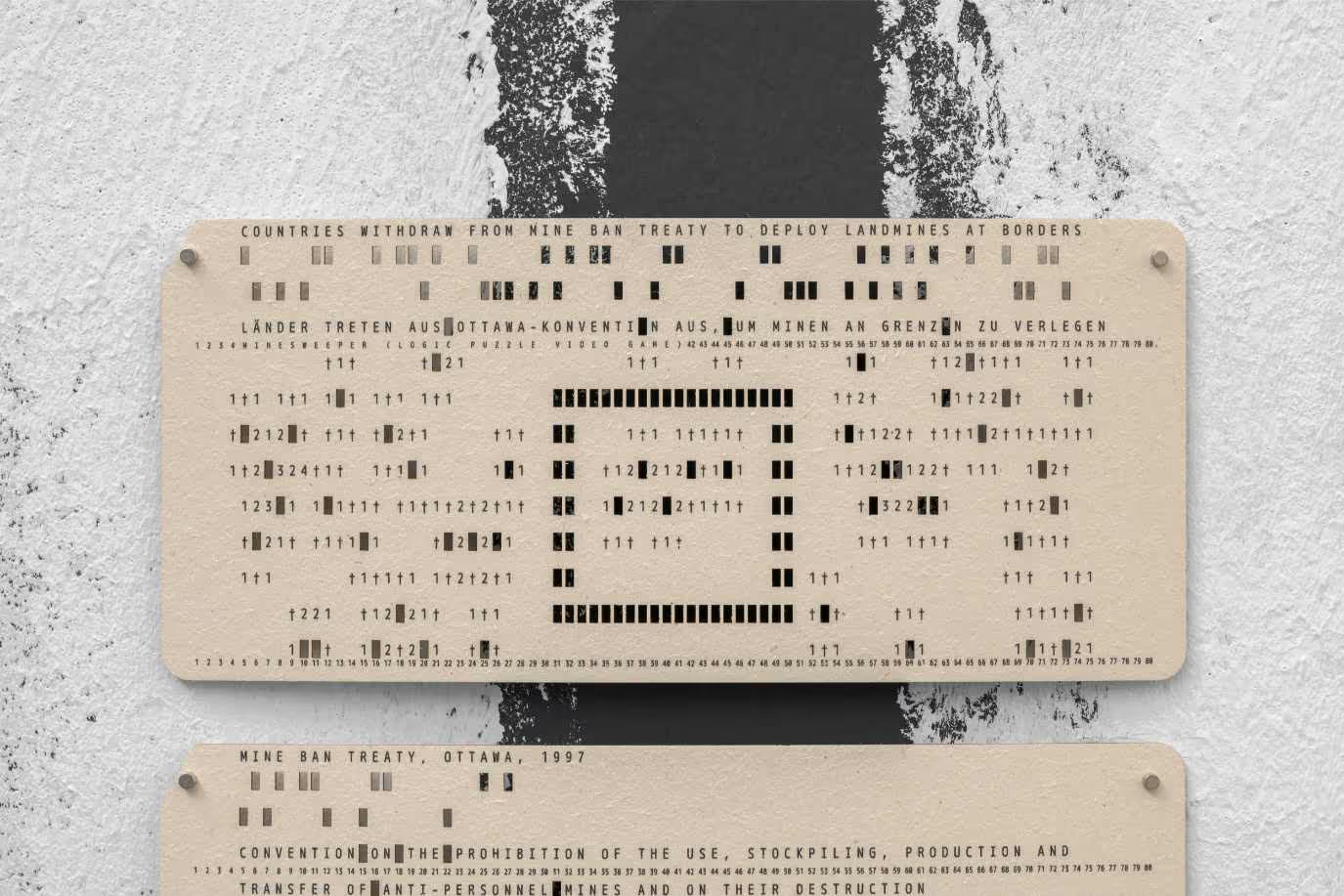
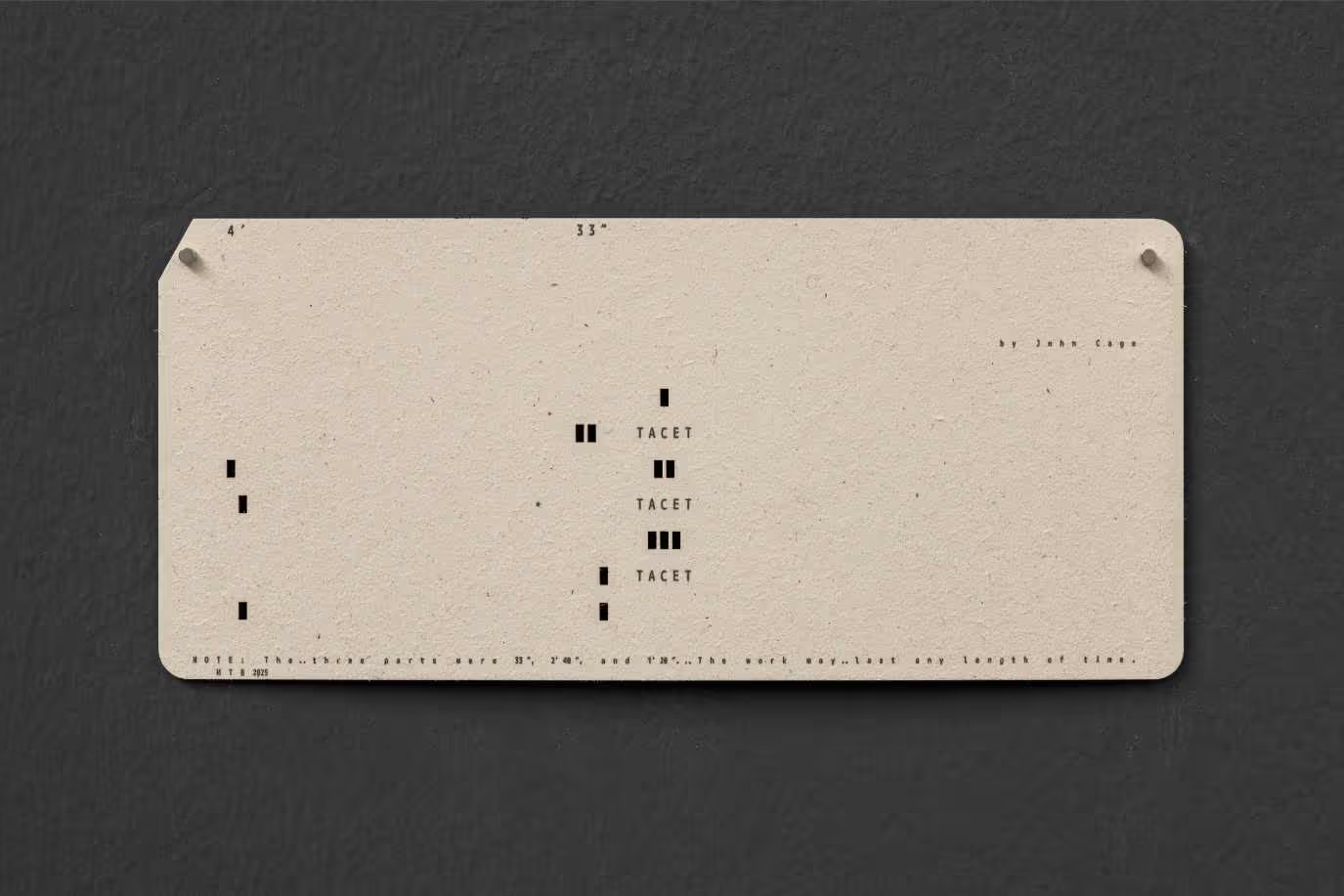
Taking the form of a Zettelkasten––a card-file system––the work stores and organizes information. Punched cards are arranged in a grid, interrupted by
deliberate gaps that echo the holes of a punched card. The curation attends to systemic non-linearity and incompleteness by resisting any legible totality, and
insisting on fragmentation and indexicality. Given dynamic logic and its continuous expansion, the work foreground how meaning remains provisional––rearranged and contextually renegotiable. Through contextual relations, intertextuality and cross-referencing, it negotiates how to hold space for the unspeakable and unrepresentable dimensions of collective trauma, and its largely unwritten histories. Operating as both a material carrier and a trace of human labor, each manually designed punched card encodes asymmetries of power and memory. Further developed in 1890 by Herman Hollerith for the U.S. Census Bureau and data processing, punched cards were appropriated by the Nazi regime. They allowed for systematic categorization of populations for census purposes.
Provisionals, 2025 – ongoing
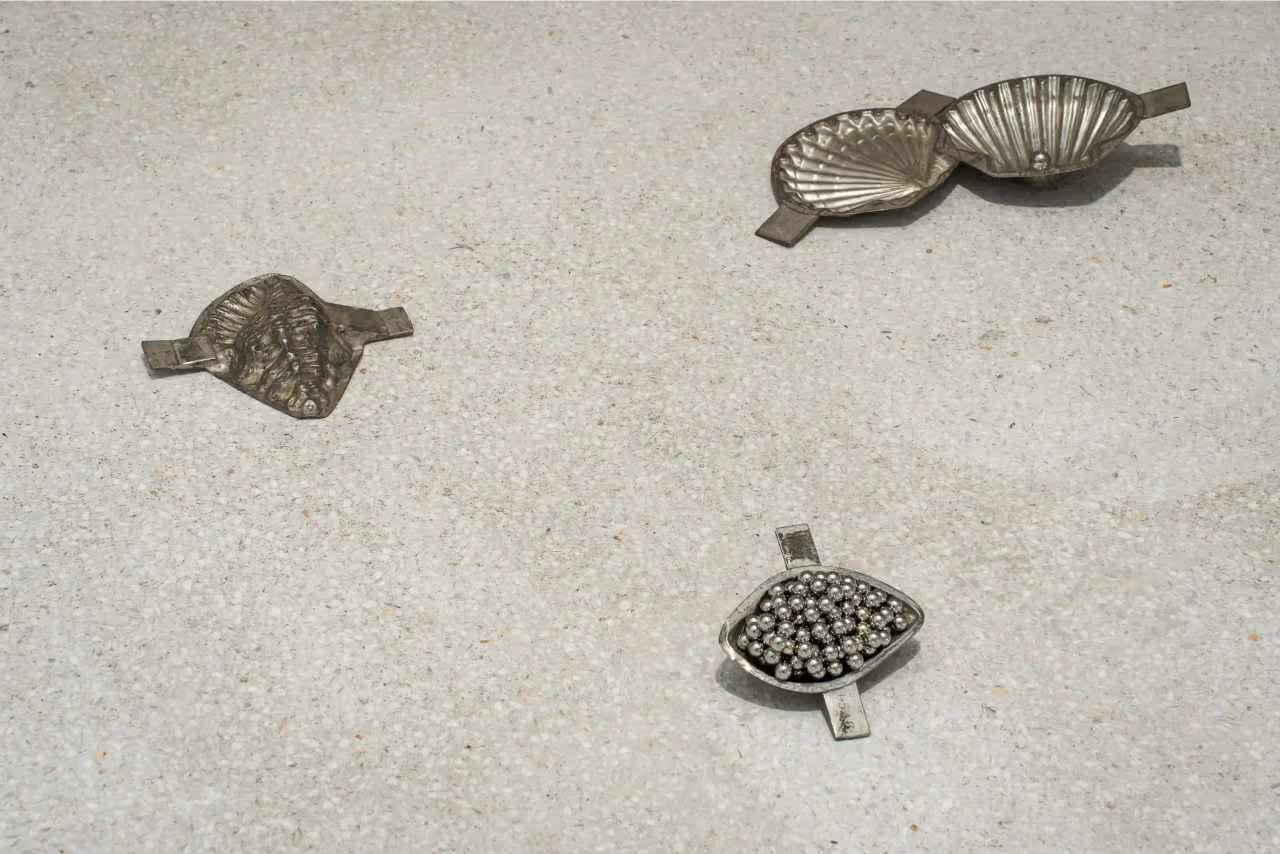
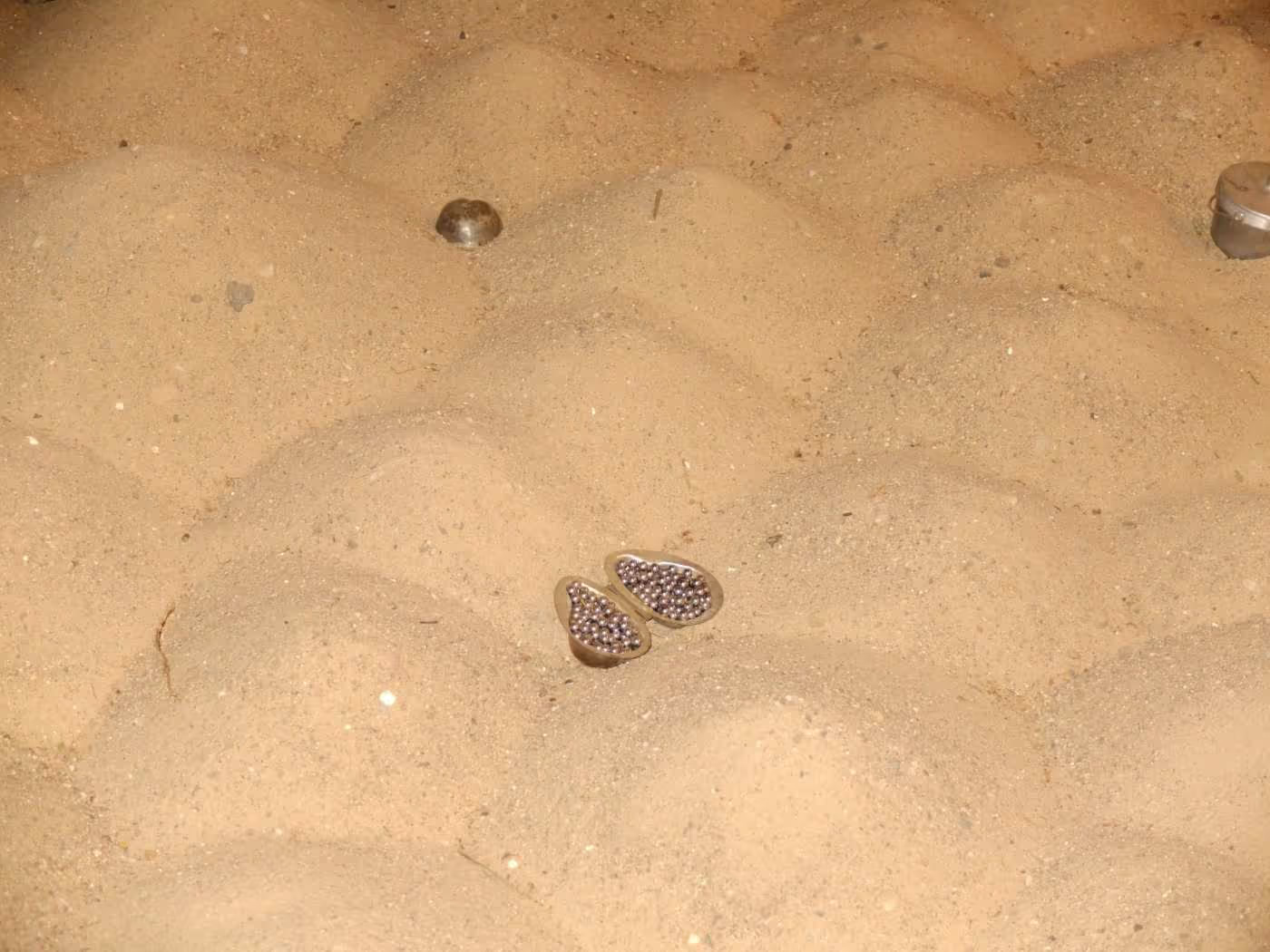
Found objects, metal, steel balls, dimensions variable.
Provisionals is a series of allegorical, found, and modified objects in correspondence with the Punched Cards Series. They are not merely objects, but examinations—stand-ins and for cycles of metal reuse and violent histories // Bà Nội, my grandmother, still keeps three aluminum pots of different sizes. These pots were cast from parts of U.S. aircraft shot down during the war in Vietnam // “Pots and Pans for Planes” was campaign launched by the British Ministry of Aircraft Production (MAP) in 1940 to requisition household aluminium for the production of fighter planes in World War II // The donations often went toward making other military equipment, such as mess tins, rather than being used directly in airplane alloy, which required higher-grade materials //Amid shortages, potters in Japan were ordered to produce ceramic grenades // Church bells were melted down into weapons; after the war, decommissioned arms were recast as bells // In Lao, the classifier for bomb – nuoy – is the same as for fruit // in Vietnam, explosive remnants of war are named after fruits they resemble // Here ordinary language collapses lived realities. Mundane objects and materials oscillate between the domestic, the industrial, and the destructive.
Deminer, 2025–ongoing
Metal Detectors, commissioned by Museum der bildenden Künste Leipzig.
Continuing the research on Explosive Ordnance Disposal (EOD), the project examines how to the labour of demining can be mediated in institutional ans artistic contexts. Through the use of functioning metal detectors, visitors are invited to navigate Provisionals, encountering metal objects as materialized histories of violence. Within this interaction, the embodied experience positions visitors as both archaelogists and deminers.